How to Apply Ceramic Coating: Step-by-Step DIY Guide
If you thought that ceramic coating was something very much exclusive to car buffs or people who owned most exotic supercars, you thought completely wrong. Nowadays, ceramic coating has somehow…
If you thought that ceramic coating was something very much exclusive to car buffs or people who owned most exotic supercars, you thought completely wrong. Nowadays, ceramic coating has somehow found its way in between the two worlds; its becoming used more and more at the daily drivers, just as it is becoming applied to top-end show cars. This is a state of affairs made possible because of the advanced solutions and technology that were developed to apply a layer over the paint that gives it more water- and UV protection, easy washability, and other benefits. Aligning your expectations toward the use of ceramic coating requires more than just the treatment or application of it; successful application on it involves preparatory work. Below is a preparation guide to follow before applying ceramic coating to a vehicle.
What is Ceramic Coating?
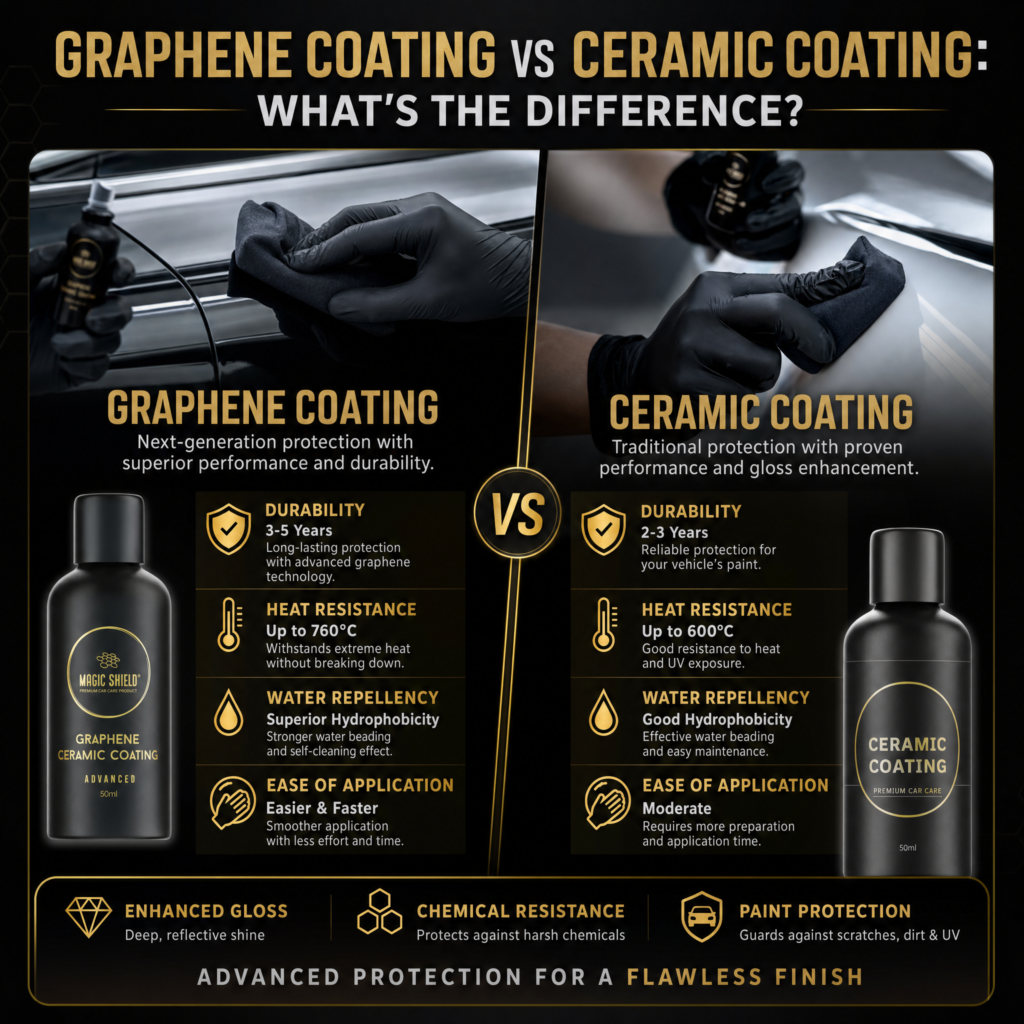
Ceramic coating is a liquid polymer that chemically bonds to your car’s paintwork to form a protective layer. The layer is hydrophobic, which means it repels water, dirt, or any other contaminant. It provides a good measure of resistance to UV rays to prevent oxidation, fading, and corrosion. The ultra-smooth surface caused by the ceramic coating allows for easier washing and maintenance of your car.
Why is Prep Work Important?
A perfect preparation procedure before ceramic coating application is imperative for the proper binding of the coating with your car paint. If the surface is not cleaned and prepped properly, the coating would not adhere properly, thus cutting down on its life and effectiveness. By taking the extra time to get your vehicle prepared, the finish will be spectacular and long-lasting.
Essential Preparations: how to apply Ceramic Coating
Washing the Vehicle Thoroughly
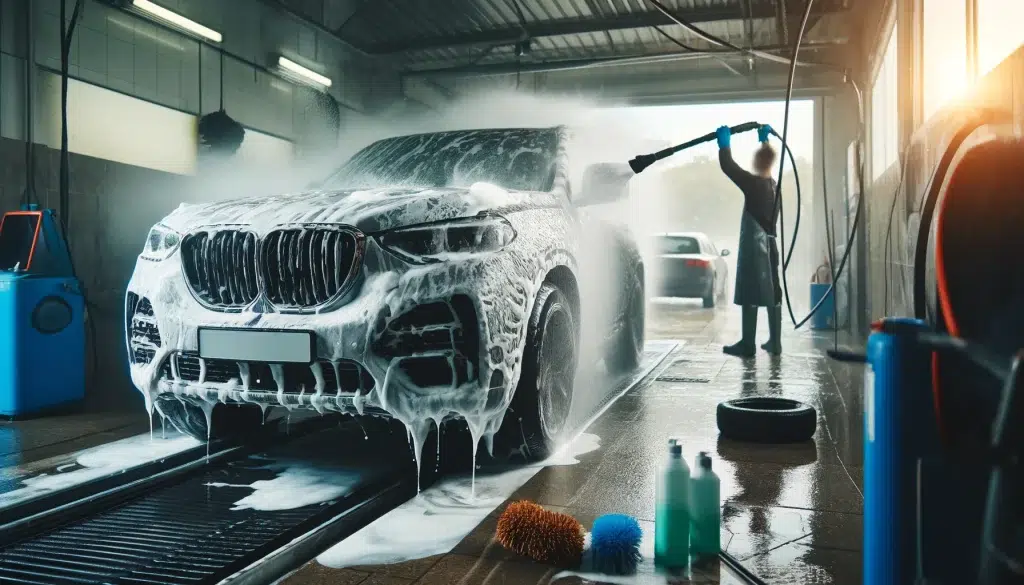
Start off with washing your car in order to remove dirt, grimy substances, and surface contaminants. A pH-neutral car shampoo along with a microfiber mitt or sponge can be used to ensure that scratches, do not find a way to the paint. Rinsing the car thoroughly is equally important to ensure that no soap residues are left behind on the surface.
Decontamination with Clay Bar
Even after washing, there might still be some contaminants stuck onto the paint of the vehicle. This is where clay bar treatment comes in. A clay bar helps to remove embedded particles like tree sap, fallout from industrial activities, and other contaminants that even washing wouldn’t be able to remove. While gliding the clay bar across the surface, a perfectly smooth and clean foundation will be prepared for the application of the ceramic coating.
Polishing Paint
Should swirl marks, micro-scratches, or imperfections be evident, paint correction must be done before applying your ceramic coating. A premium polish will serve to eliminate imperfections while producing a mirror finish. This step is essentially important because ceramic coatings bond better to polished surfaces, thereby producing a much more uniform finish.
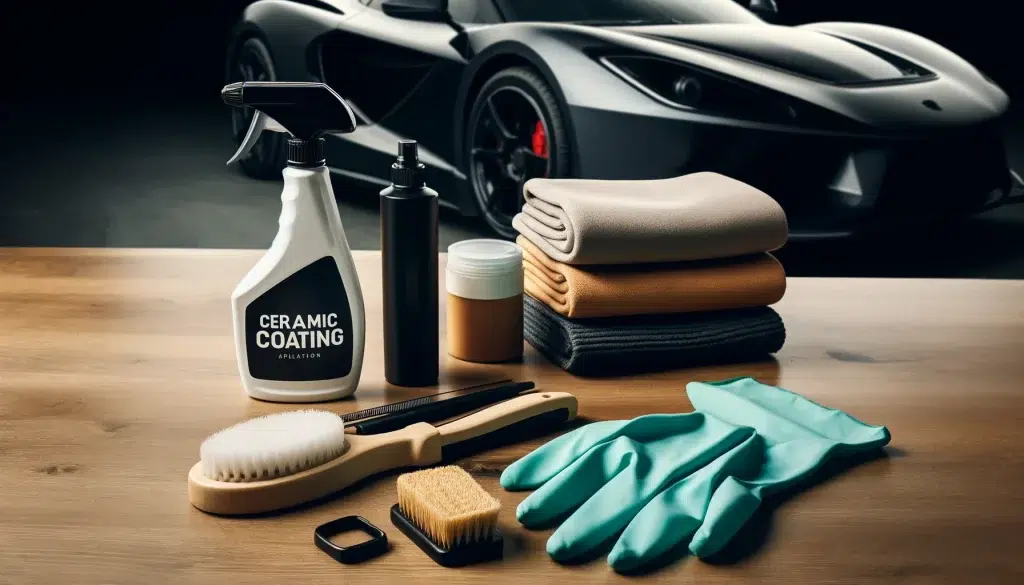
Coat the Application Application Process Once the Car is Prepped, Time to Coat the Vehicle with Ceramic Own Coating. Most Often, Manufacturer Instructions Describe the Steps of Coating Application. Usually, they say:
The Coating Application
Apply some more ceramic coating with an applicator pad in portions or small segments at a time, using straight lines and trying to keep it even without putting it on too thick-it will feel improper.
Buff Off Excess Product
After waiting suggested amount of time (usually a couple of minutes) let it sit, take a clean microfiber towel and buff any such extra product after two times. This way, you apply it smoothly and without stripes.
Overall Cure the Coating:
Allow the ceramic coating to set for a specified period, staying abstained from water, rain, or extremes of temperature at this time, as during curing, the coating bonds with the paint.
How long will a ceramic coating last?
The lifespan of a ceramic coating typically ranges from 1 to 5 years, depending on factors such as the quality of the coating, maintenance, and other environmental variables.
What preparations should I undergo before applying the ceramic coating?
Wash the car thoroughly to remove dirt, grime, and other environmental contaminants.u003cbru003eUse the clay-bar treatment to remove embedded particles in the paint surface.u003cbru003ePolish any swirls and imperfections out of the paint surface before the coating is applied.u003cbru003eDry the surface area: The car must be completely dry prior to your working application.
Can I apply ceramic coating myself?
Yes, one can apply ceramic coating on his/her own if one has the required materials: microfiber towels, applicator pads, and a proper working environment. Since this is a very in-depth process, the instructions must be followed carefully.
Read More:
Graphene Coating: Revolutionizing Vehicle Protection in the 21st Century
Unlocking the Power of Iron Removers in Auto Detailing
A successful ceramic coating application is mostly preparation. The coating should be the final step on paint that is clean, smooth, corrected and free of oils.
1. Wash and decontaminate
Wash with a pH-balanced shampoo, rinse thoroughly and dry. Use iron remover to dissolve embedded ferrous particles, then clay only where the paint still feels rough.
2. Correct and prepare the paint
Polish visible swirls or oxidation before coating because the finish will be sealed in. Wipe each panel with a dedicated prep spray and fresh microfiber towels until no polish oil or residue remains.
3. Apply, level and cure
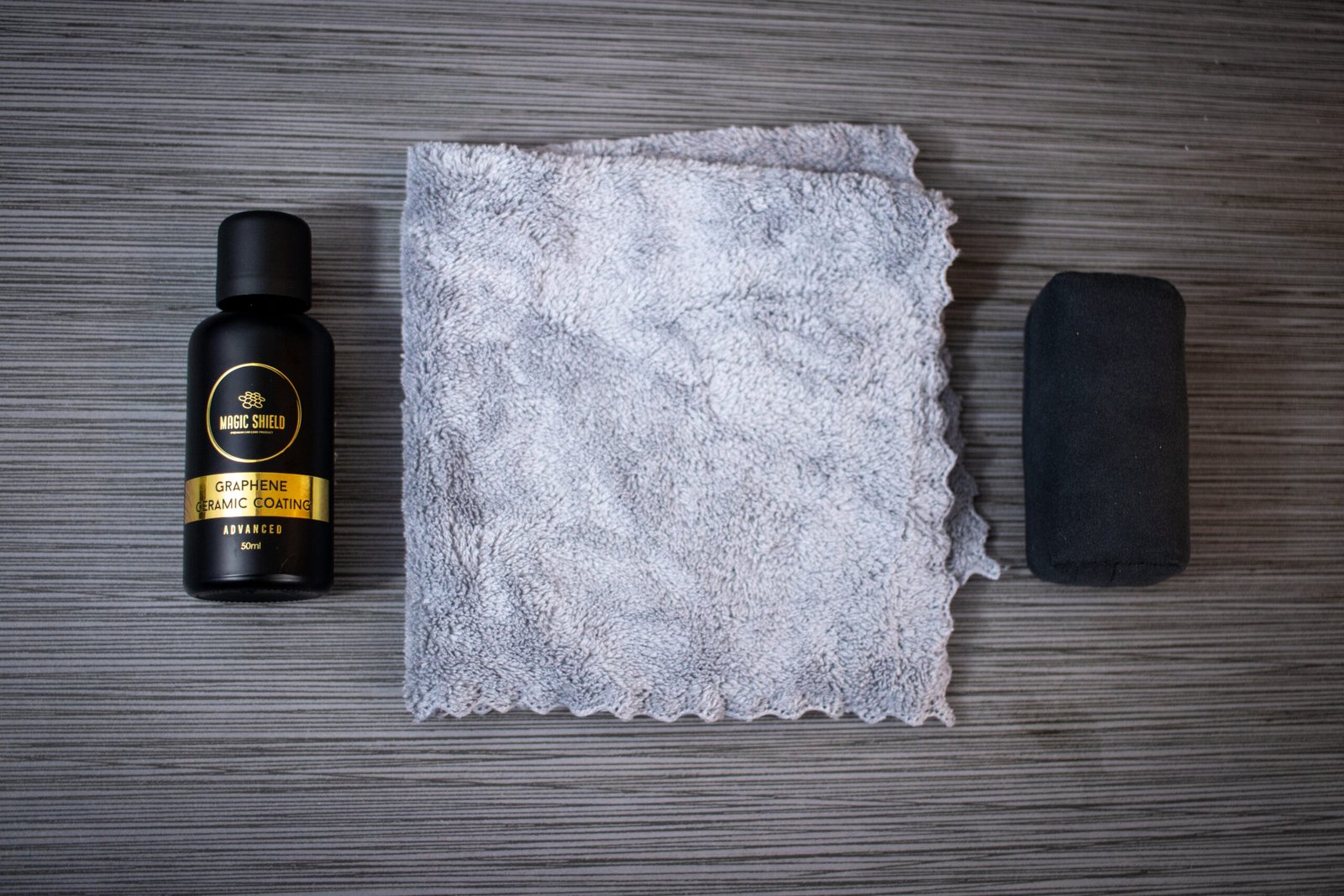
Work indoors or in shade on cool paint. Apply a few drops to the applicator, spread a thin cross-hatch section, watch for the flash, then level with a clean towel. Inspect from several angles. Keep the vehicle dry during initial cure and follow the product-specific cure time.
Frequently asked questions
How much ceramic coating do I need?
A 50 ml bottle is normally enough for one sedan or small SUV when applied in a thin, even layer.
Can I apply ceramic coating outdoors?
A clean indoor space is best. If you must work outside, avoid sun, wind, dust, dew and any chance of rain.
What causes high spots?
High spots are excess coating that was not leveled before it cured. Work in small sections and inspect with strong, angled lighting.
Build the complete protection system
For reliable results, work through the full sequence: prepare the paint, choose a coating, and maintain the finish. For long-term protection, see the Magic Shield Graphene Ceramic Coating kit.
Continue your detailing plan: Graphene vs ceramic · How to apply ceramic coating · How long coatings last · Best coating for black cars · Coating preparation · Coating maintenance