
How to Polish Your Car: 7 Expert Tips for a Scratch-Free, Mirror Finish
Learn how to polish your car with these 7 expert tips for a scratch-free, mirror finish. Discover the right products, techniques, and how MagicShield protection keeps your shine lasting longer.
CAR POLISH
6/7/20265 min read
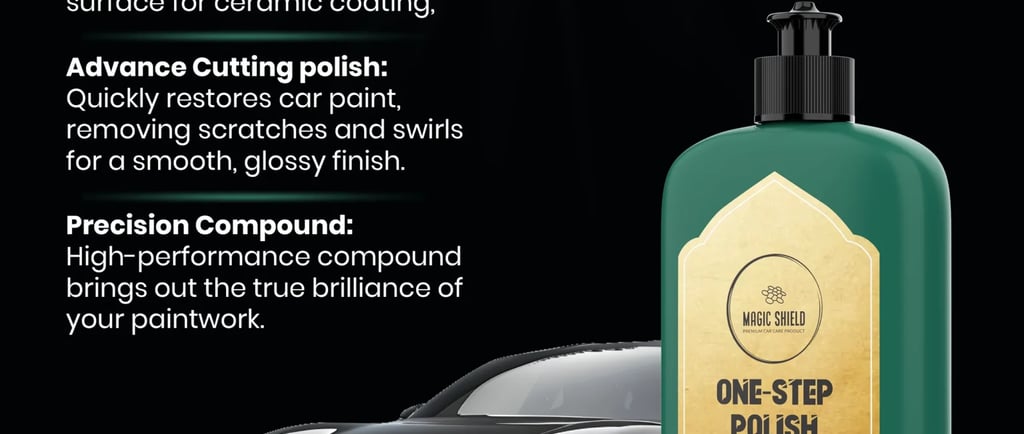
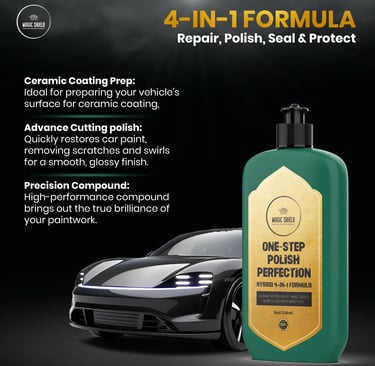
If you want your car to look pretty much brand new, learning how to polish your car the right way kind of makes all the difference. Polishing takes care of light scratches, swirl marks, and oxidation — giving your paint a deep, glossy shine that really makes people look twice. Whether you are a first-timer or you just want better results, these 7 expert tips will guide you through everything you need to know, yeah.
Why Car Polishing Actually Matters
Most car owners wash their vehicles often but skip polishing, and that’s a big deal. Over time, UV rays, bird droppings, road grime, and those micro-scratches dull your car’s paint. Polishing helps restore the clear coat and brings back that showroom-level gloss. And when you protect it right after with a quality paint protection film or a ceramic coating from MagicShield, the shine can last way longer.
7 Expert Tips to Polish Your Car Like a Pro
Tip 1: Wash and Decontaminate Before You Polish
Don’t polish a dirty car. If grit and debris get stuck under a polishing pad they can cause deep scratches—pretty much the exact opposite of what you’re aiming for.
Start with a real two-bucket hand wash
Use an iron fallout remover spray to loosen embedded metal flecks
Clay bar the surface to pull out bonded contaminants
Dry fully with a clean microfiber towel
This prep step is what sort of separates amateur results from professional ones. A clean surface means your polish works on the paint, not on the dirt.
Tip 2: Pick the Right Polish for Your Paint Type
Not all polishes behave the same. Using the wrong type can remove too much clear coat or leave the paint looking kinda worse.
Light polish — for gentle swirls, light water spots, and keeping newer paint fresh
Medium polish — for more noticeable scratches, oxidation, and faded dullness
Heavy cut compound — for deep scratches, strong oxidation, and paint that has been neglected for a while
If your car is a daily driver with a few years behind it, a medium polish is usually a safe starting point. For newer vehicles, a light finishing polish keeps things under control.
Tip 3: Always Work in Sections
One of the biggest mistakes people make when polishing a car is trying to cover too much at once. Going panel by panel, or at least section by section gives you way better control and cleaner outcomes.
Break the car into zones: hood, roof, trunk, each door
Apply polish to one section at a time
Keep your motion slow and a bit overlapping
Don’t let the polish dry up completely before you buff it off
Working in sections also helps stop the polish from drying out, and when it dries it becomes harder to remove, plus it can leave that annoying residue on the surface.
Tip 4: Use a Dual Action polisher for best results
Hand polishing is okay but using a dual action (DA) polisher is way more consistent, you get steadier pressure too, and honestly it takes less effort.
A DA polisher moves in an oscillating way and also rotates at the same time, this helps cut down on heat buildup
It also feels safer for beginners than a rotary polisher ,which can bite harder if you mess up
For pads go foam pad for light polishing and microfiber pad for heavier correction, makes sense right
Keep the machine moving at all times— never keep it parked in one spot too long, even if you think “just a bit more”
Most DA polishers , a speed setting 4 to 5 is usually the sweet area for general polishing work
Tip 5: Buff Off with the right microfiber towel
The microfiber towel you pick to wipe off polish residue matters more than most folks admit
Grab a high quality soft microfiber towel with at least 350 GSM
Flip the towel often ,like every few sections,so you stay on a clean face
Use light circular motions to lift that polish haze off
And please never use a dirty or rough towel, it will bring back fresh micro scratches, for real
Also keep a separate set of microfiber towels that are only for polishing
Washing them with fabric softener kinda wrecks that effectiveness, don’t do it
Tip 6: Inspect under a bright light
After each section , take a minute and inspect under bright light— ideally direct sunlight or a detailing LED panel.
Swirl marks and that slight haze that you won’t notice in the shade, suddenly show up pretty clearly under direct light
Walk around the light source and view from different angles
Check for remaining swirls, haze, or any high spots that are still there
If you see something, do a second light polish pass only on those spots, not the whole panel again
Take your time , because rushing this part means you’ll miss imperfections
This is basically what pros do on every single panel before they call the job done, for the good finish
Tip 7: Protect Your Work Immediately After Polishing
Polishing removes the old protection from your paint. If you leave it unprotected, contamination and UV damage will start reversing your hard work within days.
This is where MagicShield comes in. MagicShield offers premium paint protection film (PPF) and ceramic coating solutions designed to lock in your polish results and keep your car looking freshly detailed for years — not just weeks.
MagicShield PPF provides a self-healing, invisible barrier against stone chips and scratches
MagicShield ceramic coating repels water, dirt, and UV rays at the molecular level
Together, they make maintaining that mirror finish almost effortless
Visit magicshield.shop to explore the full range of protection products for your vehicle.
Alao Read:
Best Car Polish in USA – Ultimate Shine & Paint Protection for Your Vehicle
Frequently asked questions
Q1: How often should I polish my car?
For most daily drivers, polishing like once or two times a year is usually enough. If your car lives in a garage and it already has ceramic coating on it, then once a year is plenty. Also, doing too much polishing over time can wear down the clear coat layer by layer, so honestly less is more.
Q2: Can I polish my car by hand without a machine?
Yes, you can polish by hand using an applicator pad and a pretty light polish. Hand work is great for little spots, small blemishes, or mild imperfections, but if you want full-car correction, a dual-action polisher gives results that are more consistent, and it takes less human strain.
Q3: Will polishing remove deep scratches?
Polishing can remove light to moderate scratches as long as they haven’t fully cut into the clear coat. If you can feel the scratch with your fingernail, then it has likely reached the base coat, or even primer, and that kind of damage really needs professional paint repair or a proper touch-up before you even think about polishing.
Q4: What is the difference between polish and wax?
Polish is an abrasive product that actually corrects paint issues and brings back clarity. Wax is more like a protective layer on top of the paint, and it adds shine as well as water beading. You always do polish first, then protect second. If you want protection that lasts longer than wax, a ceramic coating from MagicShield is the better route.
Help
Questions? Reach out anytime, we're here.
Links
Subscribe for latest offers
info@magicautocare.shop
© 2026. All rights reserved.
Contact Us